


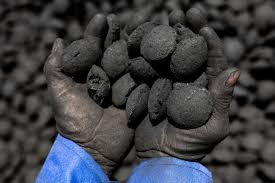
Thousands of informal miners in South Africa often referred to locally as zama zama — are confronting a precarious future as the country’s coal industry contracts and the national energy transition accelerates. These miners, operating largely outside formal employment structures, depend on small-scale extraction in coal-rich regions to support their families, but shrinking demand and regulatory pressures are squeezing their livelihoods.
The coal sector has historically been a significant source of employment and economic activity in parts of South Africa, but global shifts toward cleaner energy and domestic policy changes are reducing the commercial viability of coal production. Informal miners, many of whom lack formal contracts, safety protections or access to basic services, find themselves caught in the cross-currents of structural economic change and limited alternative opportunities.
Efforts by authorities to formalise mining activities and improve regulation have been only partially successful, leaving many informal operators in legal limbo and vulnerable to exploitation, unsafe working conditions and sporadic enforcement actions. With coal’s future uncertain, miners and community advocates are calling for investment in transition programmes, skills training and social support to prevent widespread economic displacement.
The situation reflects broader tensions in South Africa’s energy landscape as the country seeks to balance economic inclusion with environmental commitments and a shift away from fossil fuels. Informal miners’ struggle highlights the need for policies that protect vulnerable workers while managing the decline of traditional extractive industries.


