


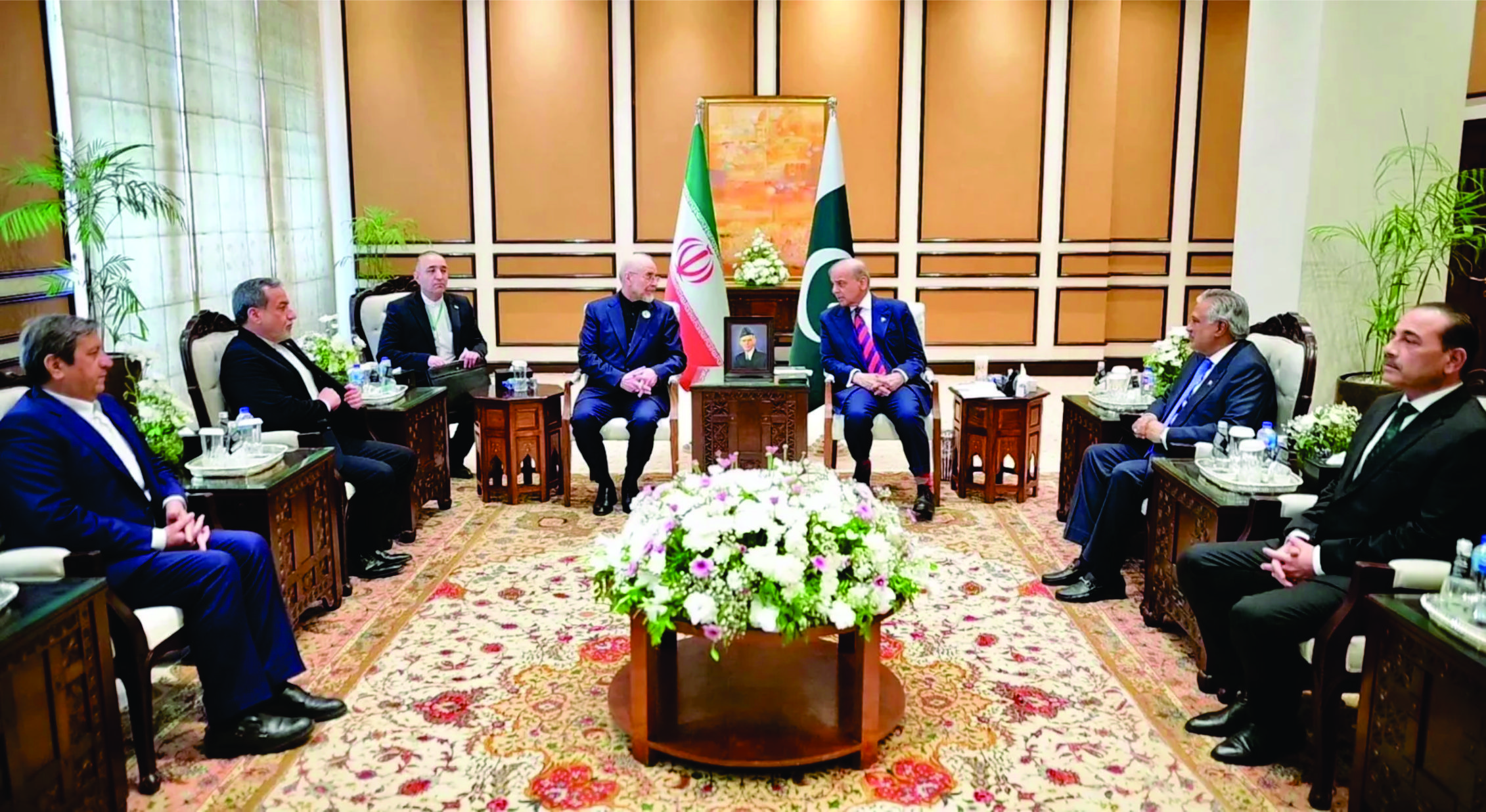
U.S. Iran talks collapse in Islamabad
High-stakes peace negotiations between the United States and Iran have collapsed after nearly 21 hours of continuous talks in Islamabad, dealing a significant setback to diplomatic efforts aimed at ending weeks of escalating tensions in the Middle East.
The negotiations, which began on Saturday, April 11, 2026, were hosted by the Government of Pakistan and brought together senior political, diplomatic, and security officials from both nations. The discussions stretched overnight into the early hours of Sunday before concluding without any formal agreement, despite what observers described as intense and, at times, confrontational exchanges behind closed doors.
The United States delegation was led by Vice President JD Vance, who was accompanied by top diplomats and defense officials. On the Iranian side, senior representatives closely aligned with the country’s political and military leadership participated, reflecting the high level of importance both sides attached to the talks. Pakistan’s Foreign Minister, Ishaq Dar, played a central mediating role, facilitating communication between the delegations and urging both parties to pursue a diplomatic resolution.
Sources familiar with the negotiations indicated that the talks broke down over deep and longstanding disagreements, particularly surrounding Iran’s nuclear program and the scope of international sanctions. The United States reportedly pushed for strict, verifiable guarantees that Iran would halt any activities that could lead to the development of nuclear weapons, while Iran insisted on immediate and comprehensive sanctions relief as a precondition for any binding agreement.
Additional points of contention included security arrangements in the strategically vital Strait of Hormuz, a key global oil transit route, and the structure of a broader ceasefire agreement intended to de-escalate ongoing hostilities. Disputes over enforcement mechanisms, timelines, and third-party monitoring further complicated the negotiations, leaving little room for compromise as the talks entered their final hours.
Speaking to reporters shortly before departing Islamabad, Vice President JD Vance confirmed that no agreement had been reached, describing the outcome as disappointing but not entirely unexpected given the complexity of the issues involved. Iranian officials, however, placed responsibility for the collapse on what they characterized as inflexible and unrealistic demands from Washington, maintaining that their delegation had engaged constructively throughout the process.
The failure of the talks casts serious doubt over the fragile two-week ceasefire that had temporarily reduced tensions following the outbreak of conflict in late February 2026. Analysts warn that without a clear diplomatic pathway forward, the risk of renewed military escalation remains high, particularly in sensitive areas tied to global energy security.
International reaction has been swift, with financial markets showing signs of volatility amid growing uncertainty. Oil prices have edged upward, reflecting concerns about potential disruptions to supply routes, while investors have responded cautiously to the prospect of prolonged instability in the region.
Despite the breakdown, officials on both sides have indicated that diplomatic channels will remain open, although no date has been set for a resumption of talks. Observers note that while the Islamabad negotiations failed to produce a breakthrough, they represent a rare instance of direct, high-level engagement between the United States and Iran, suggesting that the possibility of future dialogue has not been entirely ruled out.
For now, the collapse of the Islamabad peace talks underscores the deep-rooted mistrust and competing strategic interests that continue to define relations between Washington and Tehran, leaving the path toward a sustainable resolution uncertain as tensions persist on the global stage.


