


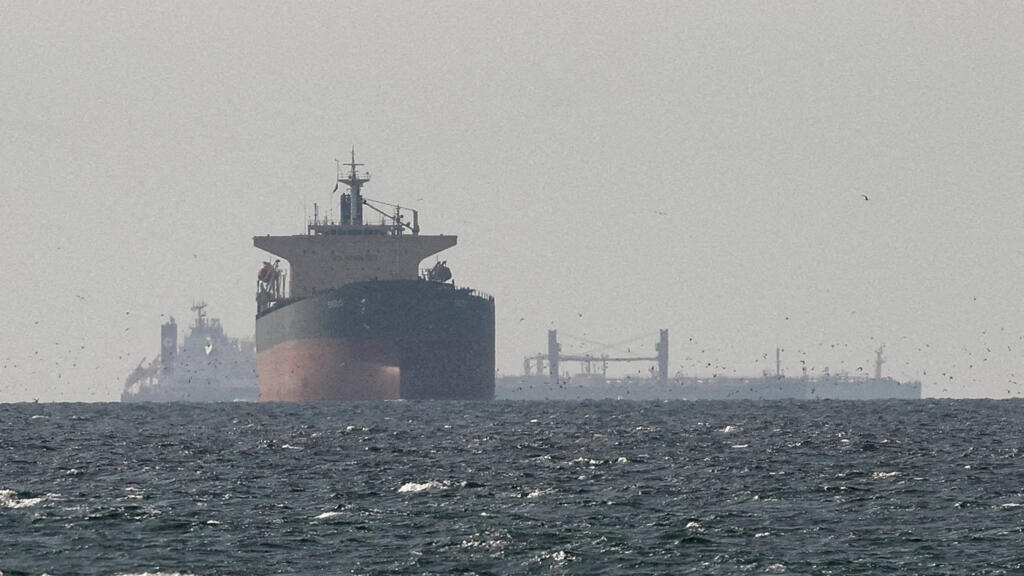
The President of the United States, Donald Trump, has announced plans to impose a naval blockade on the Strait of Hormuz, a move that could significantly escalate tensions in the Middle East and disrupt global energy markets.
Speaking during a press briefing at the White House on Sunday, President Trump stated that the proposed blockade is intended to “protect international security interests” and prevent what he described as “destabilizing activities” by Iran in the region. The announcement comes just hours after the collapse of high-level peace negotiations between Washington and Tehran in Islamabad.
The Strait of Hormuz is one of the most strategically vital waterways in the world, serving as a narrow passage through which nearly a fifth of global oil supply passes daily. Any disruption to shipping through the corridor is expected to have immediate and far-reaching consequences for global oil prices and international trade.
According to senior U.S. defense officials, the Pentagon has been instructed to prepare for increased naval deployments in the Persian Gulf, including the positioning of aircraft carriers, destroyers, and surveillance assets to enforce the proposed blockade. While no specific timeline has been publicly confirmed, military analysts suggest that preparations could be underway within days.
President Trump emphasized that the action would be “measured and strategic,” but warned that any attempt by Iran to challenge U.S. forces or interfere with the blockade would be met with a “strong and decisive response.” He also called on allied nations to support the initiative, framing it as part of a broader effort to ensure stability in international shipping lanes.
Iranian officials swiftly condemned the announcement, describing it as a “provocative and illegal act” that violates international law. A spokesperson for Tehran’s foreign ministry warned that any attempt to restrict access to the Strait of Hormuz would be considered an act of aggression, raising the risk of direct military confrontation between the two nations.
Global reaction has been immediate, with energy markets showing signs of volatility amid fears of supply disruptions. Analysts predict that even the threat of a blockade could drive oil prices sharply higher, particularly if shipping insurers and commercial operators begin to avoid the region due to security concerns.
International stakeholders, including European and Asian economies heavily dependent on Gulf oil exports, have expressed concern over the potential fallout. Calls for restraint and renewed diplomatic engagement have emerged from multiple quarters, with some governments urging both Washington and Tehran to return to negotiations.
Security experts warn that a blockade of the Strait of Hormuz would represent one of the most serious escalations in U.S.–Iran relations in recent years, with the potential to draw in regional actors and trigger a broader conflict across the Middle East.
As of now, there has been no confirmation of an immediate deployment, but the announcement signals a sharp shift toward a more confrontational posture following the breakdown of diplomatic efforts. The situation remains fluid, with the international community closely monitoring developments in what could become a defining geopolitical crisis.