


Uganda’s capital, Kampala, has seen an increased military and security forces deployment in the run-up to the January 15, 2026 general election, a move framed by authorities as necessary to maintain peace and deter violence but criticised by opposition groups and rights advocates as heavy-handed and intimidating.
Soldiers and armoured vehicles have been visible in major parts of the city days before voters go to the polls, with troops on the streets and mobile patrols coordinated with police to secure key election routes and public spaces. The Uganda Communications Commission also ordered a temporary mobile internet suspension just before voting, citing misinformation and the potential for violence as justification, a decision that has sparked concern among civic groups over transparency and access to information during the election period.
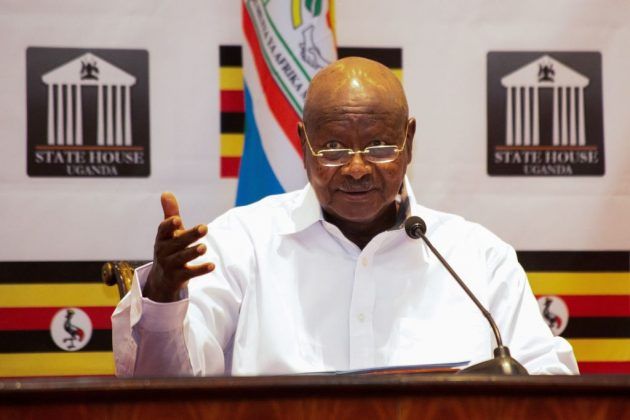
President Yoweri Museveni, Africa’s long-serving leader seeking a seventh term, has defended the security posture, saying the deployments are intended to prevent election-related unrest. The government has played up its assessment of potential threats from certain political actors and supporters, even as critics question whether the use of military forces in urban zones could suppress dissent or discourage voter turnout.
The election, which includes both presidential and parliamentary contests, features Museveni in power since 1986 against opposition figures including musician-turned-politician Bobi Wine (Kyagulanyi Ssentamu). Recent campaigning has been marked by heightened tensions, sporadic clashes between supporters and security forces, and contentious rhetoric from both sides.
Analysts say the visible militarisation of Kampala and other urban centres underscores broader anxieties about election integrity, civil liberties and authoritarian tendencies as Uganda navigates a pivotal vote that could shape its political path for years to come.