


Nigeria’s proposed ₦68.3 trillion budget for the 2026 fiscal year is triggering widespread debate among economists, lawmakers, and financial institutions, as concerns mount over a potential widening fiscal deficit and rising debt sustainability risks.
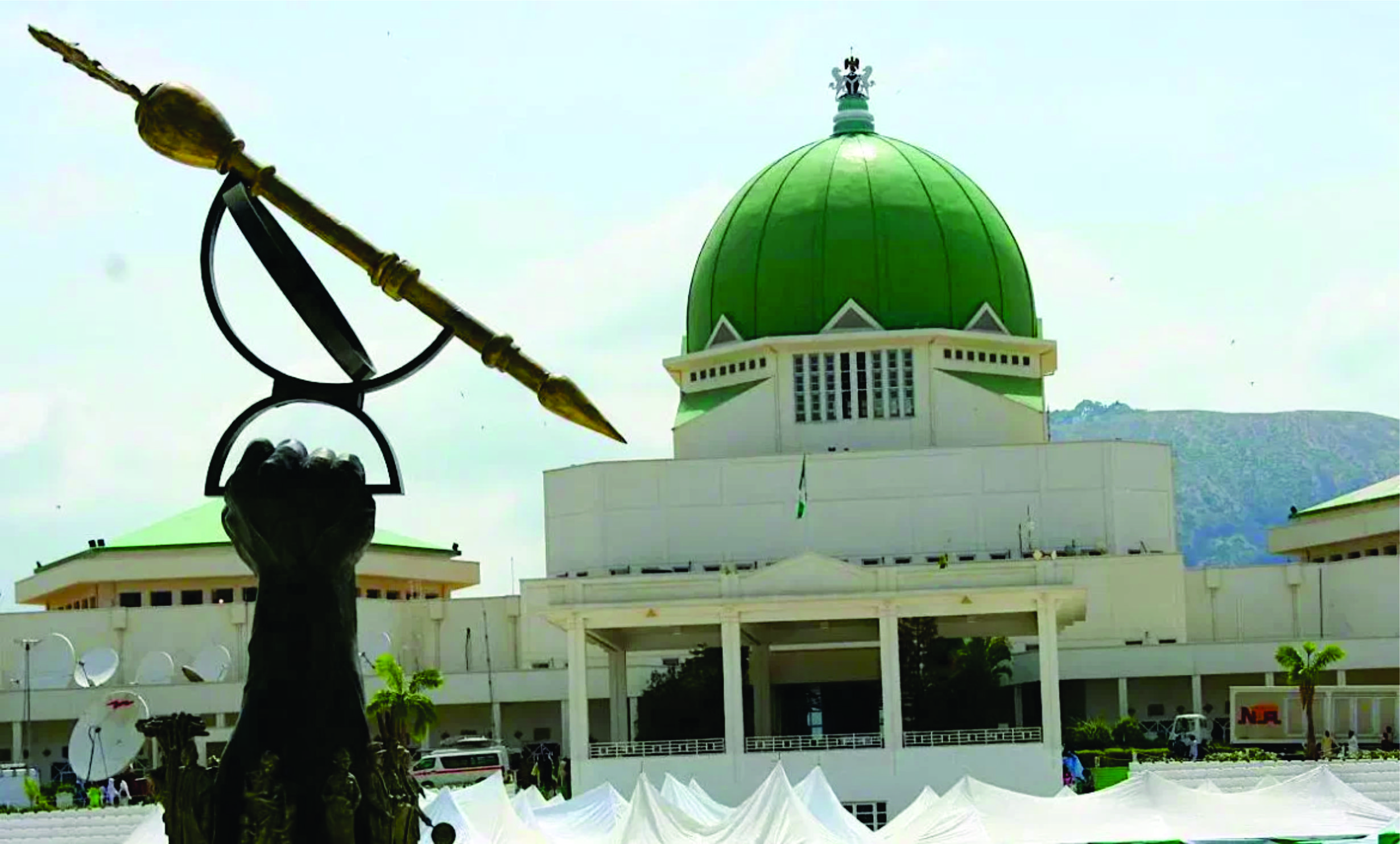
The budget was formally presented to the National Assembly in Abuja by President Bola Ahmed Tinubu on October 8, 2025, during a joint session attended by key government officials, including the Minister of Finance and Coordinating Minister of the Economy, Wale Edun, and the Director-General of the Budget Office of the Federation, Ben Akabueze. The president described the spending plan as a “growth-driven budget” aimed at stabilizing the economy, improving infrastructure, and strengthening national security.
However, the scale of the budget has raised concerns among fiscal analysts, who argue that projected revenues may not be sufficient to cover planned expenditures. Early estimates suggest that a significant portion of the budget will rely on borrowing, intensifying fears of a widening deficit and increased pressure on public debt servicing.
According to figures referenced by the Debt Management Office, Nigeria’s debt profile has continued to expand in recent years, with debt servicing consuming a large share of federal revenue. Analysts warn that if current projections hold, the 2026 budget could further increase reliance on both domestic borrowing and external loans from institutions such as the World Bank and international bond markets.
Economist Bismarck Rewane, Chief Executive Officer of Financial Derivatives Company, warned that the budget assumptions appear “aggressive,” noting that oil production targets and revenue expectations may be difficult to achieve under current global market conditions. He added that without stronger non-oil revenue performance, the deficit could exceed sustainable levels.
Similarly, financial analyst Tope Fasua, a presidential economic adviser, acknowledged that while the budget is ambitious, it reflects the administration’s desire to accelerate growth. However, he cautioned that implementation discipline and revenue optimization would be critical to avoid macroeconomic strain.
Officials at the Federal Ministry of Finance defended the proposal, with Minister Wale Edun stating that the government is prioritizing capital expenditure over recurrent spending to stimulate long-term productivity. He emphasized ongoing reforms in tax administration led by the Federal Inland Revenue Service (FIRS) under its Executive Chairman, Zacch Adedeji, aimed at improving revenue collection efficiency.
Despite these assurances, concerns persist among members of the National Assembly. The Senate Committee on Appropriation, chaired by Senator Solomon Olamilekan Adeola (Yayi), has reportedly requested additional clarification on revenue assumptions, debt projections, and capital project prioritization before final approval.
Civil society organizations, including the Centre for Social Justice (CSJ) led by Dr. Eze Onyekpere, have also raised concerns about transparency and the growing gap between government spending plans and actual revenue performance. They argue that persistent deficits could worsen inflationary pressures and weaken the naira further.
The Central Bank of Nigeria has in recent months maintained a tight monetary policy stance under Governor Olayemi Cardoso, aiming to stabilize inflation and currency volatility. However, analysts warn that excessive government borrowing could undermine these efforts by increasing liquidity pressures in the financial system.
As debate continues, the 2026 budget has become a focal point in Nigeria’s economic policy discourse, highlighting tensions between ambitious development goals and the realities of fiscal constraints. Lawmakers are expected to continue budget scrutiny sessions in the coming weeks before final passage, with possible adjustments to revenue assumptions and expenditure priorities.


