


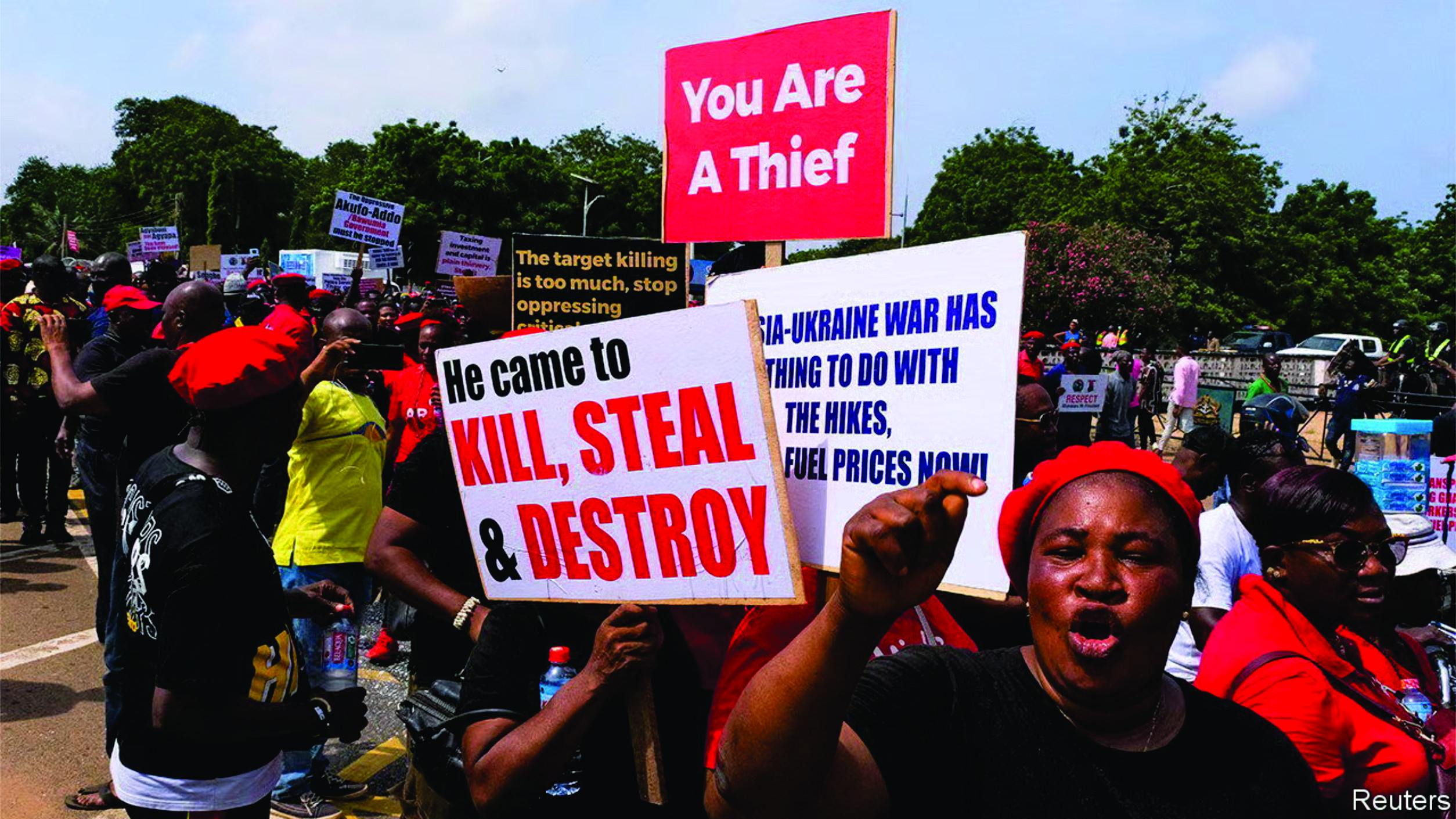
Public frustration is rising in Ghana as civil society organizations, labour groups, and small business associations intensify pressure on the government over escalating living costs, taxation policies, and persistent economic strain affecting households and enterprises across the country. The growing tension comes amid widespread concerns that inflationary pressures, fuel price increases, and import-related costs are eroding purchasing power and threatening economic stability in both urban and rural communities.
In recent weeks, the Ghana has witnessed a wave of demonstrations and public gatherings in major cities including Accra, Kumasi, and Tamale, where protest movements have called for urgent policy intervention to address what they describe as “unsustainable economic hardship.” Demonstrators are demanding reductions in fuel taxes, relief for small businesses, and broader reforms aimed at stabilizing prices for essential goods.
Small business associations, particularly in retail and transport sectors, have warned that many operators are struggling to remain afloat due to rising operational costs linked to fuel price adjustments and import duties. Traders in central markets report declining customer demand as households reduce spending on non-essential goods, while transport unions caution that further increases in fuel prices could trigger fare hikes, deepening financial pressure on commuters already affected by high living expenses.
Civil society groups argue that current fiscal measures are disproportionately affecting low- and middle-income earners, calling for targeted subsidies and improved tax efficiency rather than broad-based levies. Some economists warn that without policy recalibration, continued cost-of-living pressures could lead to further social unrest and weaken public confidence in economic management.
Government officials have acknowledged the concerns, stating that reforms are underway to stabilize key sectors and strengthen revenue mobilization without undermining growth. However, critics argue that policy responses have been slow and insufficient to match the scale of economic challenges facing citizens.
As protest movements gain momentum in urban centers, observers note that Ghana’s situation reflects broader regional concerns across parts of West Africa, where inflation, currency pressures, and global commodity shocks continue to strain economies. Analysts warn that sustained economic dissatisfaction could shape public sentiment in the coming months if meaningful relief measures are not implemented.