


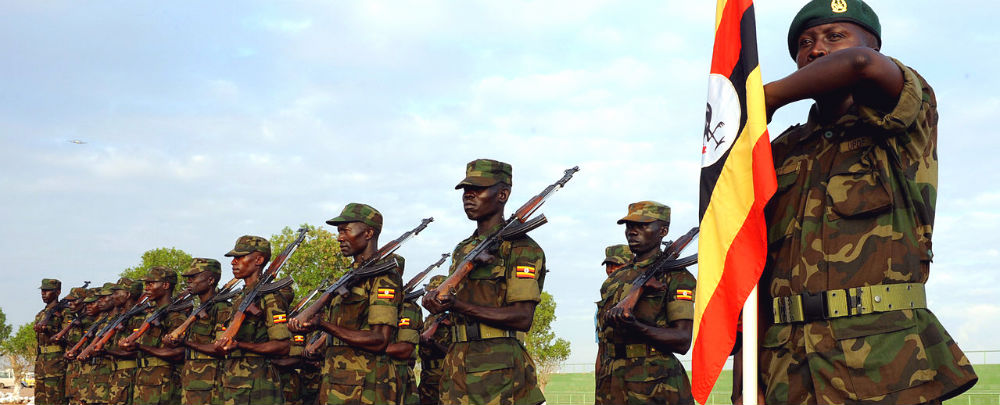
Tensions are rising in the Uganda as new security and public order regulations introduced in recent weeks continue to draw sharp criticism from opposition leaders, civil society groups, and human rights advocates who argue the measures could significantly restrict freedom of assembly, political expression, and public protest. The debate has intensified following parliamentary discussions in Kampala, where lawmakers have been reviewing provisions that expand the authority of security agencies in managing demonstrations and regulating public gatherings.
Opposition figures, including pop star-turned-politician Robert Kyagulanyi Ssentamu, have warned that the proposed framework could be used to suppress dissent and limit political competition ahead of future electoral cycles. Critics argue that the reforms risk strengthening already powerful state security structures, particularly the Uganda Police Force, which has frequently been accused by rights groups of excessive force during protests and opposition rallies.
The government, however, has defended the legislation, with officials stating that the updated security laws are necessary to maintain national stability, prevent public disorder, and address emerging threats linked to organized unrest and political violence. Senior representatives of the ruling establishment, led by President Yoweri Museveni, have emphasized that the reforms are intended to close legal gaps that previously complicated crowd control and emergency response operations.
The Parliament of Uganda has become the central arena for the dispute, as lawmakers debate the balance between civil liberties and national security. While government-aligned legislators argue the measures are preventive and necessary, opposition members insist they could be used selectively to target critics and restrict political mobilization, particularly in urban centers where opposition support is strongest.
Civil society organizations have also raised concerns, warning that the proposed laws could deepen political polarization and reduce civic space at a time when economic pressures and youth unemployment are already contributing to public dissatisfaction. Some legal analysts note that ambiguous wording in certain provisions could grant broad discretionary powers to enforcement agencies, raising fears of arbitrary application.
As the debate continues, observers say Uganda is entering a politically sensitive period in which questions over governance, security, and democratic freedoms are increasingly intersecting. With public protests becoming more frequent in recent months, both supporters and critics of the legislation agree that how the laws are implemented will ultimately determine their long-term impact on political stability and civic rights in the country.


